Two young women, the same HER2 mutation, and the community that became their lifeline.
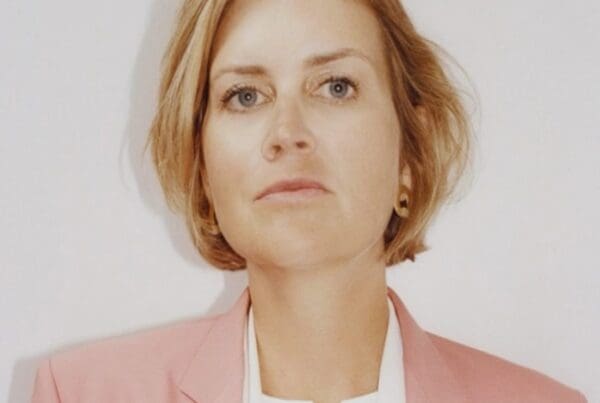
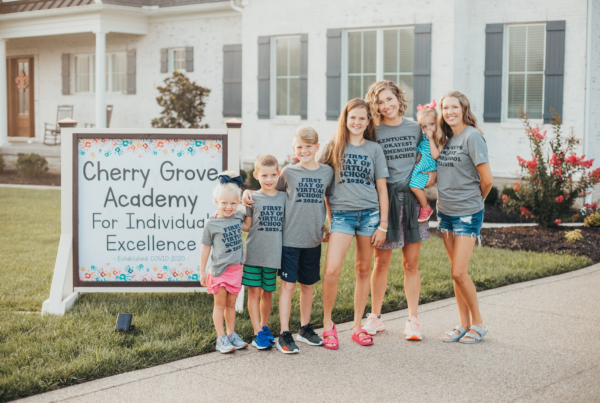
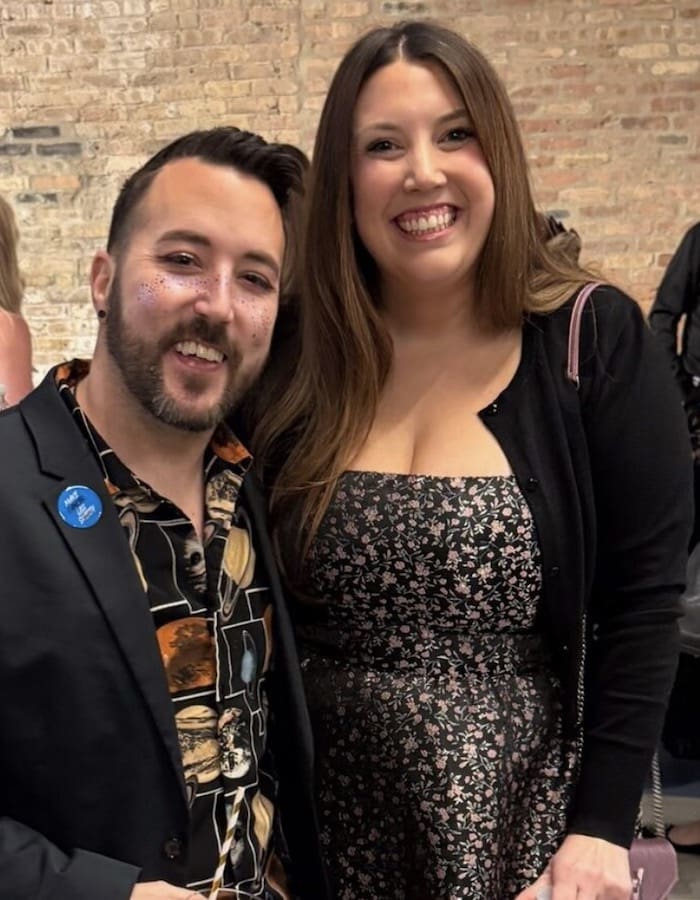
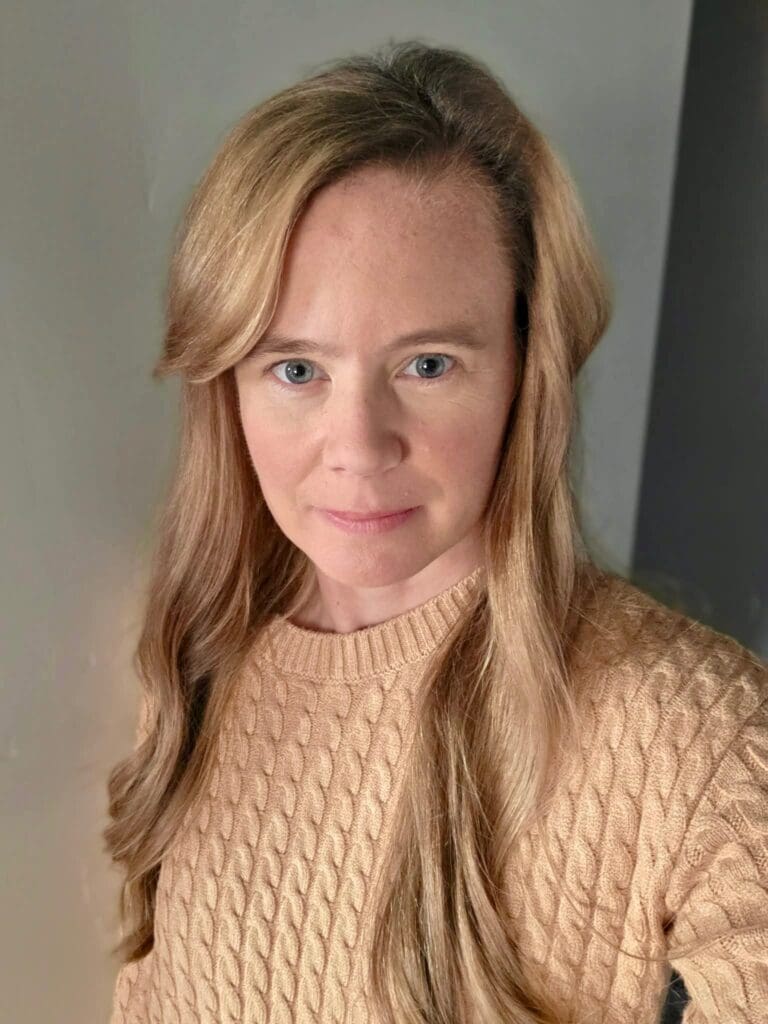
Samantha and Loryn were both in their 30s, healthy and active, when they were diagnosed with Stage IV HER2 lung cancer. Neither of them saw it coming. “Lung cancer was literally the only cancer I thought I could not get,” Samantha says. This is their story: the road to diagnosis, what it takes to live with it, and how they found each other.
Told they were too young
For Loryn, the road to a diagnosis was long. It started with fatigue, the kind her husband noticed first, when she suddenly couldn’t get out of bed. Then came back pain, chest pain, aches that kept getting explained away. She was a new mom, her son barely two. She was told she was young and healthy, and that a biopsy wasn’t worth the trouble. “He never brought up the word cancer,” she remembers. Months passed while she waited on referrals and her symptoms got worse.
Samantha’s story was different, but the shock was the same. She was healthy, active, and on top of her health, staying current on her checkups and cancer screenings. Lung cancer was simply never on her radar. It was, as she puts it, the one cancer she was sure she couldn’t get, so even as symptoms crept in, it was the last thing anyone thought to look for.
A mutation they’d never heard of
A HER2 mutation means the cancer has a specific driver, and, increasingly, a target. For Samantha and Loryn, hearing it brought more questions than answers.
When Samantha went looking for those answers the way most of us do, what she found nearly broke her. “If you Google it, it says poor prognosis. It put me in a really dark place,” she says. “Google is very outdated. Google does not give you the hope.” The hope came from somewhere else: biomarker testing that finally named the mutation, and the doctors and patients who actually understood it.
Living with lung cancer
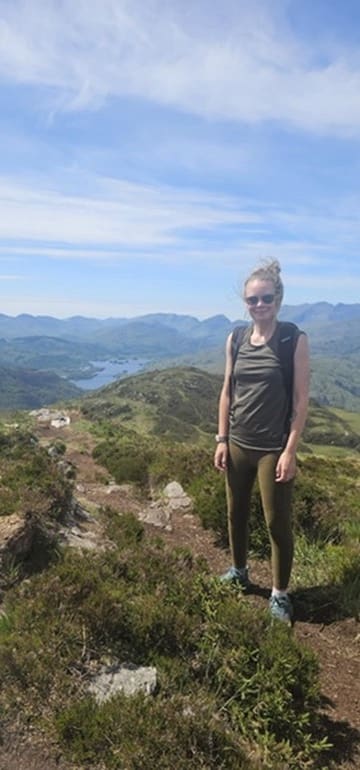
Treatment is only part of the story. Samantha is still traveling, still hiking, still getting to the gym, just not the way she used to. “I feel like I’m slowly losing my identity on the things that I love to do while I’m still doing them,” she says. Both women talk about grieving the life they had while they’re still living it, about what it does to relationships and careers, and about the strange math of planning a future when living life based on scan results.
Cancer doesn’t just happen to the person diagnosed. Samantha leans on her husband, a former combat medic who stays by her side through all of it. Loryn has a husband who provides support, and a little boy who was two when she was diagnosed. So much of that weight is invisible to the people around them.
Finding each other
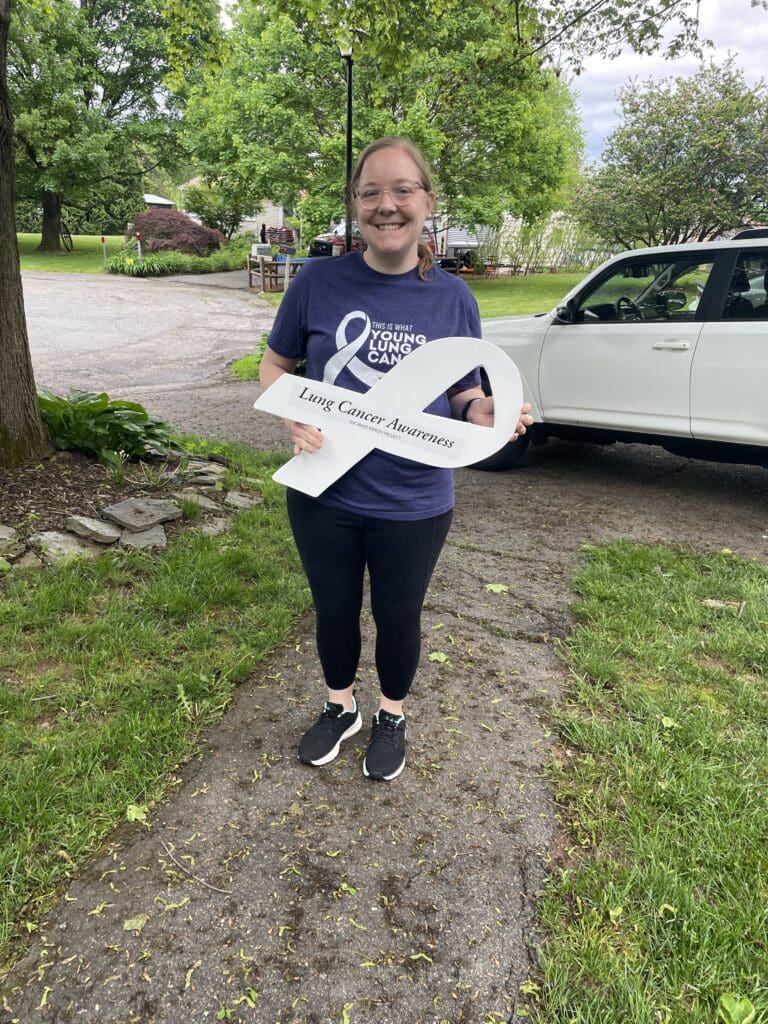
For both of them, one of the biggest turning points had to do with connection. It was finding each other, and a community that actually understood. “Community has been everything to me,” Samantha says. “It’s very isolating to go through a cancer you never expected to get, especially at a young age.”
Now Samantha’s account comes up when other people search for young lung cancer or HER2, and strangers reach out because they finally see someone who gets it. “It means a lot that people can relate and get that hope.” What she wishes she’d known at the very beginning wasn’t a statistic or a scan result. It was that a whole community of young people was living through the exact same thing.
What gives them hope
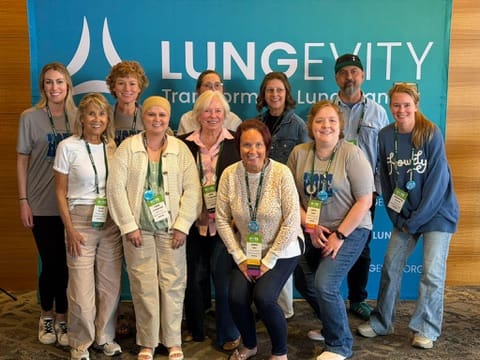
What gives them hope isn’t abstract. It’s the research happening right now, the targeted therapies that keep getting better, and a growing community of young patients who refuse to be invisible. That, and the fact that they no longer have to do any of it alone.
Watch the full three-part series with Samantha and Loryn on YouTube.
You’re not alone in this. If you were recently diagnosed, start here with our resources for newly diagnosed patients, or meet more of our community in our private Facebook group.
Want to understand HER2 better? Watch our HER2 biomarker video series, and connect with others through these biomarker and subtype-specific organizations.
Follow their journeys on Instagram: Samantha at @samtheadventurer86 and Loryn at @lorynjf.
This three-part series was made possible with support from Boehringer Ingelheim.