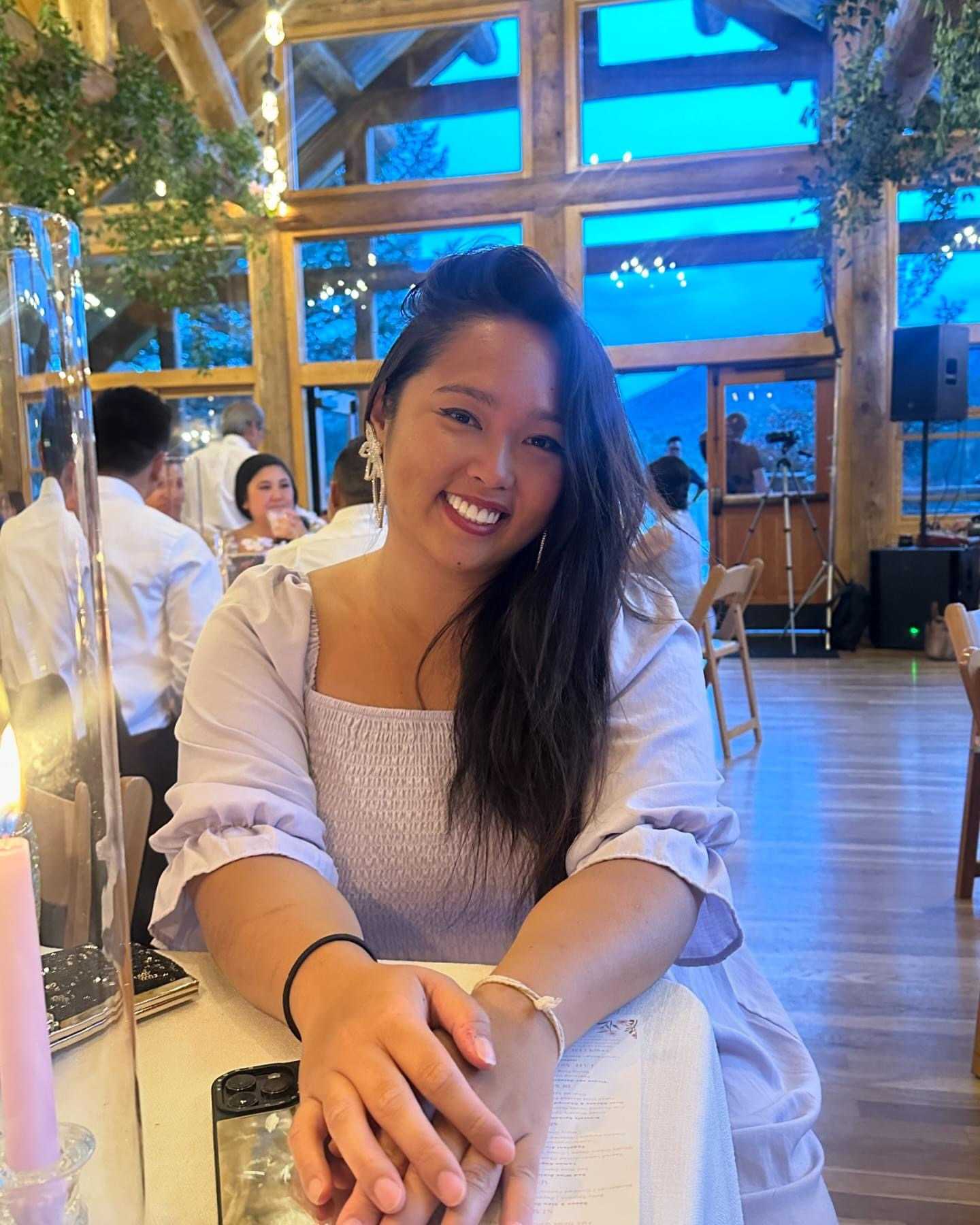
In September 2021, Aurora Lucas was 28 and had just bought a home when she felt chest pain in a parking lot. She called her sister, a nurse, who told her to go to the emergency room. Aurora was thinking about the $250 it would cost. Her sister offered to stay on the phone and asked her to promise she’d go if the pain came back.
The symptoms kept getting worse
A cough followed the chest pain. Aurora was working as a special education teacher and could barely get through her lessons. Back pain woke her in the night. On the drive home from work, she struggled to stay awake.
She kept finding explanations: stress, too little sleep, working too hard. Then a concerned coworker urged her to make a doctor’s appointment. She took a day off, expecting answers.
The visit lasted less than five minutes. She remembers her primary care physician telling her:
“You’re fine, go boil some honey and go boil some water and add some honey to it.”
As her symptoms worsened, Aurora kept returning to emergency rooms. During one hospital admission, an X-ray showed a small nodule in her lung. She says doctors told her it was an infection. At other visits, tuberculosis and anxiety were suggested. Her primary care physician wouldn’t approve the PET scan an ER doctor had requested.
“Why is nobody saying the C word out loud?” she remembers wondering.
A new team and an answer
Aurora eventually told her father what was happening. She hadn’t wanted to worry her family. Several relatives worked in healthcare, and they urged her to show doctors how much pain she was in.
In November, the PET scan was finally approved and completed. Around the same time, she changed her insurance from an HMO to a PPO so she could switch care teams.
She saw her new primary care physician on December 1. Within the hour, he was making calls. When a pulmonologist wanted to delay further, her aunt, a nurse, stood up from her chair.
“No, you’re gonna admit her today.”
Aurora was admitted on December 2. On December 6, she received the diagnosis: stage IIIA lung cancer. She was still thinking about the small nodule she’d been told not to worry about. Now, she recalls, doctors were describing three lime-sized tumors.
She was angry. She was also relieved that treatment could finally begin.
Treatment and plans for a family
Biomarker testing revealed an EGFR mutation. Her treatment plan included chemotherapy, radiation and targeted therapy. But before starting chemotherapy, Aurora had another decision to make: whether to delay treatment for fertility preservation.
She had grown up in a big family and always wanted one of her own. She was already trying to get pregnant when she was diagnosed. She remembered sobbing when the conversation turned to what treatment could mean for that future.
“I’ve always wanted to be a mom,” she said. “That was the dream that just shattered at that moment.”
Aurora chose to delay cancer treatment for fertility preservation. Although she worried about her family’s reaction, Aurora wanted the decision about fertility preservation to be her own.
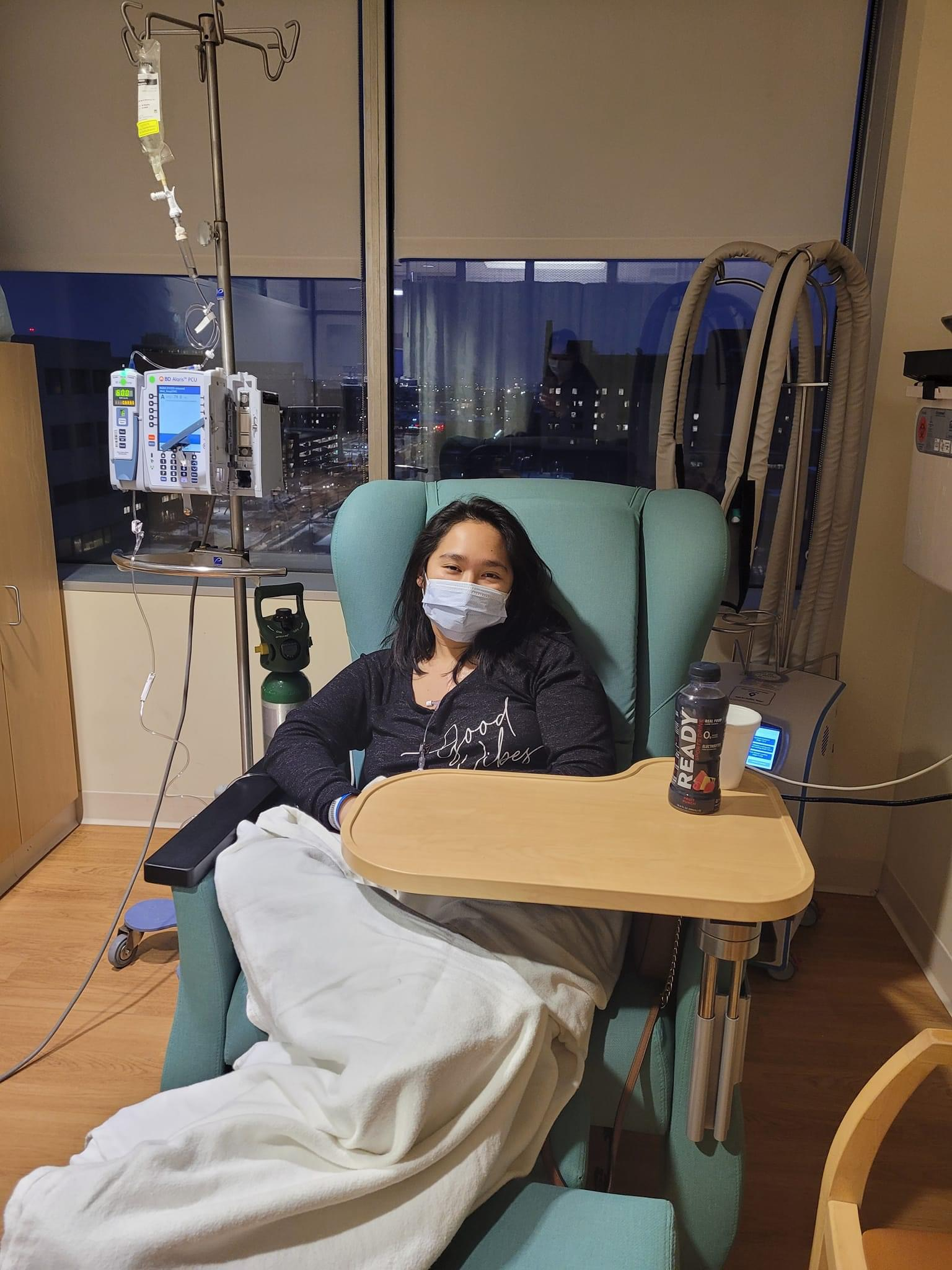
After completing chemotherapy and radiation, Aurora remained on daily targeted therapy and had regular scans to monitor the cancer. In the years that followed, she also completed her doctorate and continued to travel. Finishing school had given her something to hold on to.

From Stage IIIA to Stage IV
In spring 2026, Aurora returned home from spending time in the Philippines for her scans. It had been about four and a half years since her initial diagnosis, and she expected clear results. This time, the scans showed two lesions in her brain. After several days of waiting, her team confirmed that the cancer had progressed from stage IIIA to stage IV.
Brain radiation followed about two weeks later. She remembered the tight mask against her face, the long stretch of time to think, and hoping no one saw her tears.
Progression also changed how she thought about having children. She had researched surrogacy, but now she questioned whether it would be fair to bring a child into a future she couldn’t predict. Talking about those possibilities, she described feeling numb.
She began looking at how women without children lived their lives, wondering what she could learn from them. She recognized the care she had already given as a teacher and an aunt helping raise nieces and nephews. She still hoped to become a mother, while trying to make room for a future that could look different from the one she had imagined. She often had to bring up fertility herself. She wishes more healthcare providers were trained to discuss fertility with their patients, so patients are not left to start those conversations on their own.
For more on these questions, watch our conversation about fertility and lung cancer with Dr. Narjust Florez.
After months of trying to get her symptoms taken seriously, Aurora continues to share her story so other patients can learn from what she went through and feel able to speak up for themselves. She does not want anyone else to experience the same delays in getting a diagnosis.
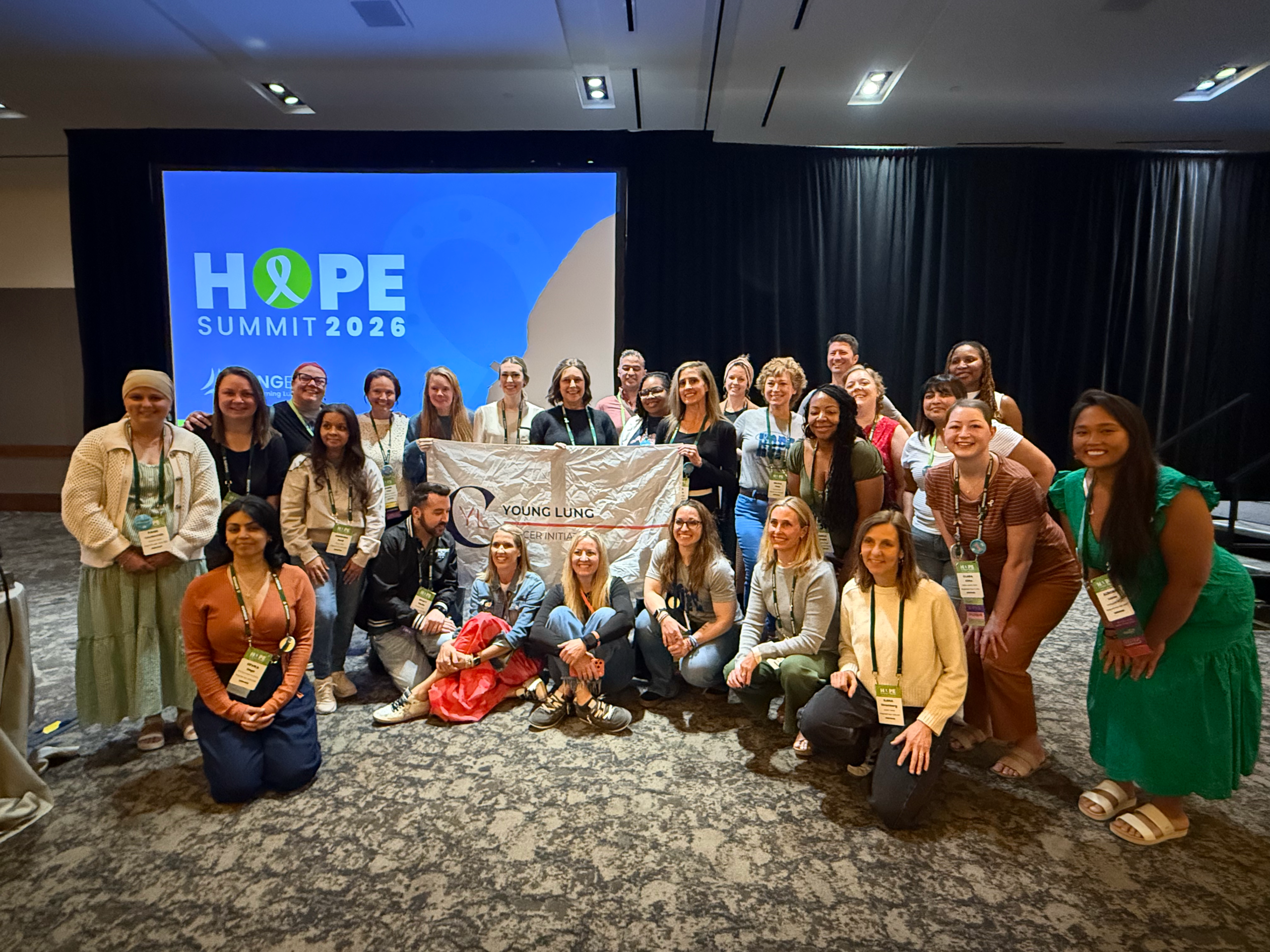
Sharing her experience also connected her with people who understood it. She remembers feeling lonely at her initial diagnosis, even with a supportive family. When her cancer progressed, that patient community was there for her.
“With the progression to stage four, I felt like I had this whole army of people behind me who knew exactly what I was going through,” she said.
Watch Aurora’s full conversation with Leah on YouTube, and follow her on Instagram at @drauroralucas.